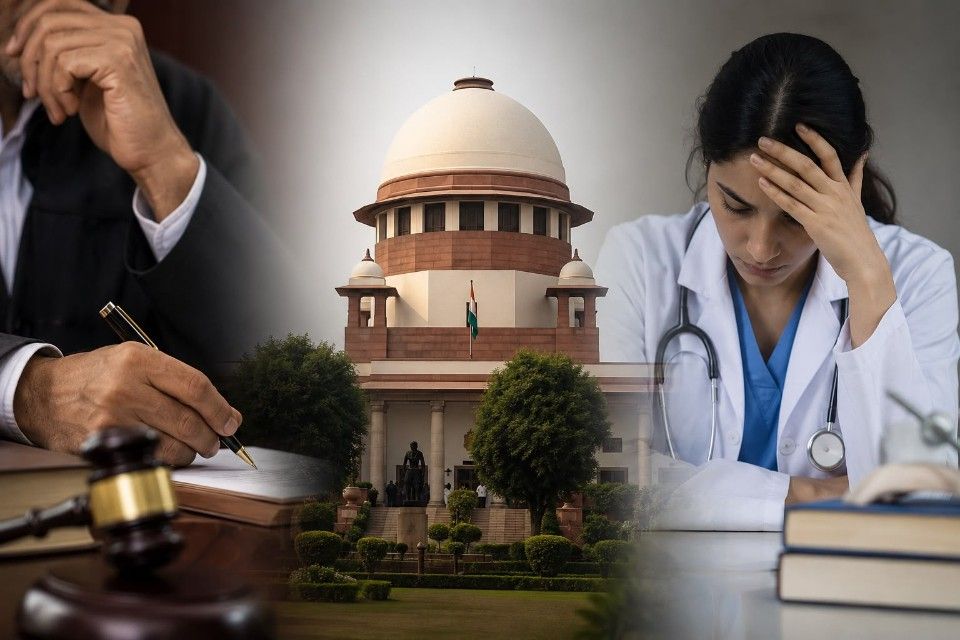
The Central Government is reviewing its decision to permit admissions through a zero percentile cutoff in NEET PG, following growing concerns over its potential impact on the quality of postgraduate medical education in India.
The policy, introduced to fill vacant postgraduate medical seats, had allowed all NEET PG-qualified candidates to participate in the counselling process regardless of their percentile score. While the move helped address the issue of unfilled seats, it also sparked widespread debate among medical professionals, academicians, and healthcare experts.
Many stakeholders have argued that eliminating the minimum qualifying percentile could dilute academic standards and affect the overall quality of specialist medical training. They believe that postgraduate medical education demands a strong academic foundation, and lowering the eligibility threshold may compromise the competence of future specialists, ultimately impacting patient care and public health.
Medical experts have also pointed out that the primary objective of NEET PG is to ensure merit-based selection into postgraduate programs. According to them, relaxing the qualifying criteria should remain an exceptional measure rather than becoming a recurring practice. They have urged the government to adopt alternative solutions for vacant seats, such as improving counselling mechanisms, increasing awareness about less preferred specialties, and rationalizing seat distribution.
On the other hand, supporters of the zero percentile policy argue that vacant postgraduate seats represent a loss of valuable educational resources and contribute to the shortage of specialist doctors in the country. They maintain that allowing all eligible candidates to participate in counselling provides deserving aspirants with another opportunity while ensuring optimal utilization of medical infrastructure.
In response to these differing viewpoints, the Centre is now reviewing the policy to assess whether it has achieved its intended objectives without compromising educational quality. The review is expected to consider expert opinions, feedback from medical institutions, and recommendations from regulatory authorities before any decision is made regarding future NEET PG admission policies.
The outcome of this review could have significant implications for thousands of NEET PG aspirants, medical colleges, and India's healthcare system. Any changes in the qualifying criteria are likely to shape future postgraduate admissions while balancing the twin objectives of maintaining academic excellence and ensuring that available medical seats do not remain vacant.